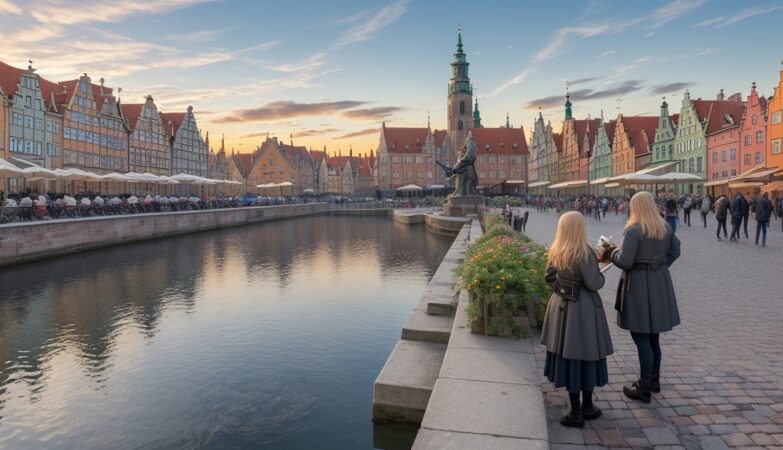
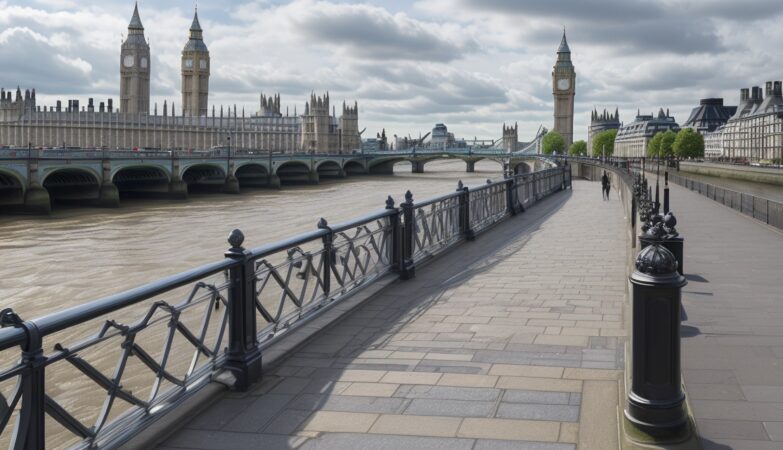
Londonas – vienas įvairiausių ir dinamiškiausių Europos miestų, kuriame istorija susipina su šiuolaikine kultūra, gastronomija…
: To create an official HD or 4K remaster, Paramount would have to track down thousands of boxes of original film negatives, re-edit every single episode from scratch, and completely re-render every phaser blast, explosion, and starship model.
The feature-length pilot boasts some of the highest production values of the series, combining physical models with early computer-generated imagery. In the 2020 4K upscale versions, the Battle of Wolf 359 gains incredible clarity. You can distinctively see the individual hull plates on the USS Saratoga and the complex textures of the Borg Cube. 2. Station Aesthetics and Lighting
This public link is valid for 7 days and shares a thread, including any personal information you added. This link or copies made by others cannot be deleted. If you share with third parties, their policies apply. Can’t copy the link right now. Try again later.
Here is how the 2020 AI upscaling boom finally brought Deep Space Nine Season 1 into the 4K era, the technology behind it, and why these fan projects remain the definitive way to experience the show. The SD Dilemma: Why DS9 Was Left in the Dark
The upscalers used the model. Early tests showed that the "Artemis" algorithm frequently malfunctioned on DS9’s low-light scenes (like the dark corridors of the station), producing visible artifacts. Gaia was more stable and retained the natural look of the actors’ faces without the "waxy" appearance that plagues some AI jobs.